We are open May 6th - October 8th 2022. Please book directly with us via our website! We look forward to welcoming you at our beautiful place on Cape Cod.

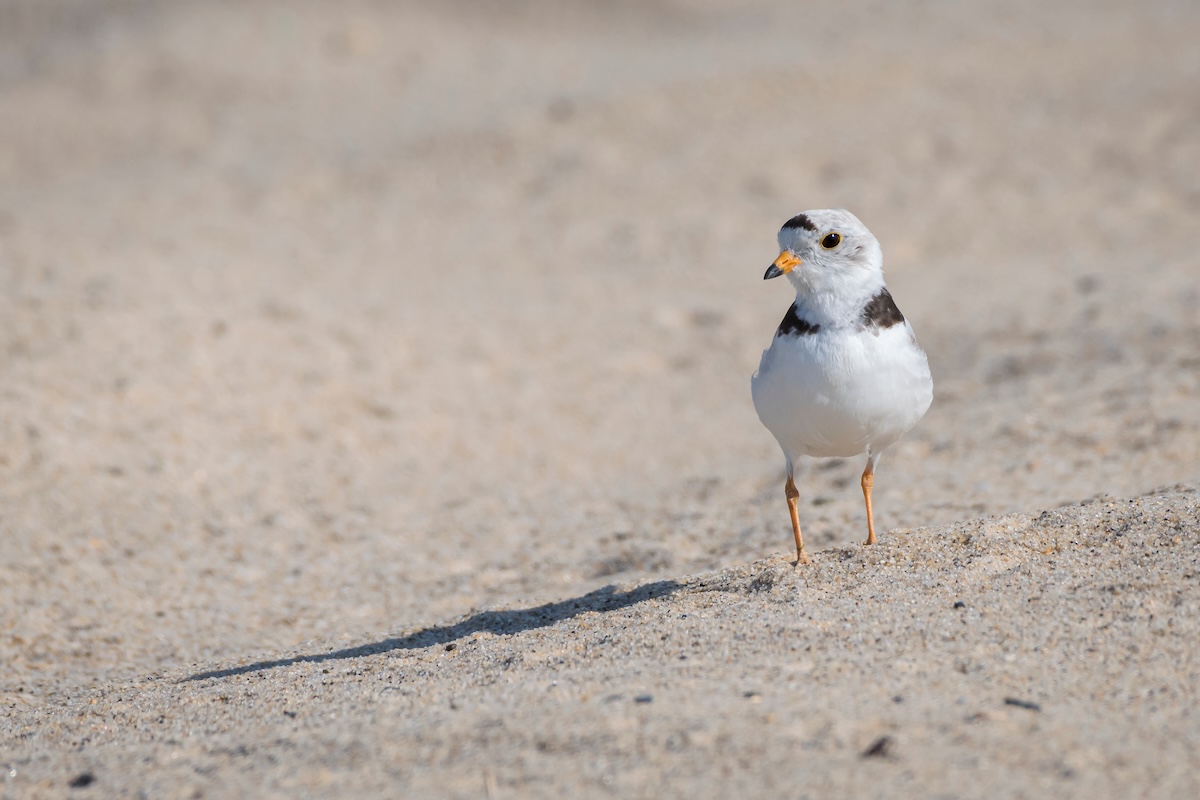
Pleasant Bay, located on Cape Cod, offers year-round birdwatching opportunities with its mix of salt marshes, tidal flats, and woodlands. Here's what you need to know:
For a base, consider staying at A Little Inn on Pleasant Bay, offering stunning views and easy access to birding hotspots. With preparation and timing, this area provides a rewarding experience for bird enthusiasts.

Pleasant Bay offers a changing birdwatching experience throughout the year, with each season bringing its own highlights. Spring (March–May) is a lively time as northbound migrants pass through. Shorebirds flock to the tidal flats to refuel, while songbirds can be spotted in the nearby woodlands and marsh edges. Summer (June–August) is prime time for shorebirds, terns, and wading birds. Species like sandpipers, plovers, and terns gather in large numbers on the exposed sandflats during low tides.
Fall (September–November) marks the southbound migration, with hawks, songbirds, and shorebirds making their way through the area. Sea ducks and loons also become more visible along the bayside waters. Winter (December–February) turns Pleasant Bay into a haven for waterfowl. Common Eider, Bufflehead, scoters, Red-breasted Merganser, and loons gather in the ice-free coastal waters. The narrow strait between Pleasant Bay and Chatham Harbor is especially active during the colder months, often hosting thousands of Common Eider alongside scoters and mergansers.
Pairing these seasonal birding opportunities with knowledge of tides can make your outings even more rewarding.
Tides play a big role in shaping bird activity around Pleasant Bay. At low to mid-tide, mudflats are exposed, creating feeding grounds for shorebirds like sandpipers, plovers, godwits, and oystercatchers. As the tide rises, these birds often move to higher roosting areas on sandbars or beaches. Wading birds - such as herons, egrets, and ibises - are most active along receding waters in marsh creeks and shallow coves, making falling and mid-tide periods particularly productive. To catch shorebirds at their busiest, aim for a two- to three-hour window around mid-tide.
For songbirds, early morning is the golden hour. Just after sunrise, warblers, vireos, sparrows, and flycatchers are at their most active in the coastal thickets and woodlands. Waterbirds and shorebirds, on the other hand, remain active throughout the day, but the best visibility often comes in the morning or late afternoon when the light is softer and winds are calmer.
Once you’ve grasped how tides influence bird activity, use weather and tide charts to plan your visit. Start by finding the closest tide reference point, such as Chatham or the entrance to Pleasant Bay, and check the high and low tide times. For the best experience, aim for a low or mid-tide window that aligns with sunrise, as this timing maximizes both light conditions and bird activity.
Weather also plays a critical role. Calm winds, clear visibility, and overcast or lightly cloudy skies create ideal conditions, especially for spotting ducks and loons on open water. During spring and fall, light northwest or northerly winds following a cold front often bring a noticeable influx of migrating birds to the coastal scrub and islands around the bay. However, strong onshore winds, heavy rain, dense fog, or thunderstorms can reduce visibility and make shoreline areas unsafe, so it’s wise to adjust your plans accordingly.
If you're planning to explore the birdlife around Pleasant Bay, knowing the best spots can make all the difference. Here are some prime locations to enhance your birdwatching experience.
Strong Island Road landing, located on the Harwich-Chatham border, is one of the top spots for waterfowl enthusiasts. This town landing provides a stunning view of the strait connecting Pleasant Bay to Chatham Harbor. The tidal flows here attract a remarkable variety of birds, especially in winter. You can expect to see hundreds, sometimes thousands, of Common Eiders, along with Buffleheads, Red-breasted Mergansers, and all three scoter species - Black, White-winged, and Surf. Bring a spotting scope for a closer look at distant birds, and aim to visit during low tide when the activity is at its peak.
Crows Pond, accessible via Fox Hill Road (just 2.2 miles from Strong Island Road), offers another excellent birding destination. This enclosed tidal pond is a haven for diving ducks, including Barrow's and Common Goldeneyes, Black Ducks, Buffleheads, and both Red-breasted and Hooded Mergansers. The calm waters here often bring birds closer to shore, making it easier to observe them compared to the open waters of the bay.
For a change of scenery, the conservation areas around Pleasant Bay provide a different but equally rewarding birdwatching experience.
The Pleasant Bay Woodlands at Kent's Point spans 49 acres and features a mile-long trail through a variety of habitats. Managed by the Harwich Conservation Trust, this area offers picturesque views of waterbirds along the bay, while the wooded sections provide a home for songbirds. It's a great spot to visit mid-morning, especially after exploring the shorebird hotspots during low tide.
Skaket Beach in Orleans is another excellent location for birding, especially along the bayside flats. From the parking area, walk through the vegetated dunes to spot species like Dunlin, phalaropes, Short-eared Owls, Horned Larks, and winter finches such as Common Redpolls. After northeast storms, this area often becomes a magnet for birds pushed toward the coast. Nearby Rock Harbor offers similar tidal flat habitats that attract a variety of shorebirds.

If you’re staying at A Little Inn on Pleasant Bay, you’re perfectly positioned to begin your birdwatching adventure. The inn, situated right on the bay between Chatham and Orleans, provides guests with direct access to prime birding areas. With a private dock and stunning views, you can start spotting birds like ducks, loons, and mergansers without even leaving the property. During spring and fall migrations, the grounds themselves become a birdwatching haven. From there, it’s just a short drive to hotspots like Strong Island Road or nearby cranberry bogs, where you can find songbirds and marsh species.
Prepare yourself with the right gear to make the most of the vibrant birdwatching opportunities around Pleasant Bay.
Binoculars are the cornerstone of any birdwatching adventure at Pleasant Bay. For optimal performance, choose waterproof and fog-proof models like 8x42 or 10x42 binoculars. The 8x magnification offers a broader field of view, making it easier to follow quick-moving shorebirds such as plovers and sandpipers. On the other hand, 10x magnification provides better reach, ideal for spotting distant sea ducks and large groups of eiders out on the water. Look for binoculars with a wide field of view (300+ feet at 1,000 yards) to track moving birds effectively. Reliable brands like Nikon Monarch and Vortex Viper excel in low-light conditions, such as dawn or dusk. Expect to spend $100–$300 for entry-level models, while premium options can exceed $1,000.
For those interested in distant waterfowl, a spotting scope (20–60x magnification) on a tripod can be a helpful addition, particularly for scanning tidal flats for species like Hudsonian Godwits. However, this is optional for most birdwatchers. To aid in bird identification, download the Merlin Bird ID app from the Cornell Lab - it works offline - or bring along The Sibley Field Guide to Birds of Eastern North America, which features detailed illustrations of over 650 species.
The coastal weather at Pleasant Bay can be unpredictable, so dressing in layers is crucial. Start with a moisture-wicking base layer made of merino wool or synthetic material, add an insulating fleece or lightweight down jacket, and finish with a windproof, waterproof shell like a Gore-Tex jacket. The Chatham shoreline often experiences winds of 20–30 mph, and fog or rain can appear without warning. Wear quick-drying, neutral-colored clothing to blend into the environment. Depending on the season, temperatures range from 20–40°F in winter to 70–85°F in summer, so adjust your layers accordingly. Winter essentials include hand warmers, insulated gloves, and a warm hat, while summer calls for a wide-brimmed sun hat, polarized sunglasses to reduce water glare, and high-SPF sunscreen.
No matter the season, pack a compact rain poncho and insect repellent containing 20–30% DEET, as mosquitoes and ticks are common in the dunes and wooded areas. Waterproof hiking boots with good traction are a must for navigating wet sand, mudflats, and uneven trails. For particularly muddy conditions, consider adding gaiters or carrying spare socks.
A 20–30 liter daypack with padded straps and a rain cover is perfect for organizing your birdwatching essentials while keeping your hands free. For a half-day outing, bring at least 1 liter of water per person and some high-energy snacks. Include a small first-aid kit stocked with blister pads, tweezers for tick removal, pain relievers, and any personal medications you might need.
Carry printed NOAA tide charts for Chatham Harbor/Pleasant Bay (Station #8447435) to monitor low and incoming tides, as these can expose feeding flats or close off access to sandbars. Download offline maps to your phone before heading out of Wi-Fi range, and consider bringing a flashlight or headlamp if you plan to be out during early morning or evening hours. Other handy items include a sit pad for comfort, a notebook for jotting down observations, and a binocular harness for convenience.
Start preparing for your Pleasant Bay birding adventure about 1–2 weeks in advance. Pick the right season and species to target - late fall through winter is ideal for spotting sea ducks like Common Eiders, scoters, and goldeneyes. During spring and fall migrations, you’ll find a variety of shorebirds and songbirds passing through. Decide which birding spots to visit based on your goals: head to the town landing across from Strong Island for massive rafts of eiders (sometimes numbering in the thousands), Crows Pond for Barrow's and Common Goldeneyes along with mergansers, or Jackknife Cove, where Muddy Creek meets Pleasant Bay, for a mix of waterfowl and shorebirds.
Check tide tables for Chatham Harbor and Pleasant Bay, as timing your visit within two hours of low tide can greatly improve your chances of good sightings. Strong northeast winds may bring pelagic birds into the bay, while calm mornings make it easier to spot and hear birds. Don’t forget to review parking rules - some Cape Cod locations may have seasonal fees or restrictions for non-residents. Make sure your offline maps are ready, and have eBird set up to log your sightings at specific hotspots. This preparation will help you create an efficient half-day birding plan.
With your checklist ready, follow this half-day schedule to make the most of your time. If you’re staying at or near A Little Inn on Pleasant Bay, you’ll have the advantage of direct water access for early-morning birding. Start your day at sunrise on the inn’s shoreline or private dock, scanning Pleasant Bay for rafts of Common Eiders, scoters, Buffleheads, Red-breasted Mergansers, and loons. Use your scope to scan systematically, moving left to right in overlapping sections to ensure no species are overlooked in the dense flocks.
By mid-morning, head to the Strong Island Road town landing or Jackknife Cove during mid or falling tide. Spend about 90 minutes here scanning the strait and creek mouth for sea ducks, gulls, and shorebirds feeding on exposed sandbars. Wrap up your outing with a late-morning walk through Pleasant Bay Woodlands, a 49-acre conservation area with trails winding through mixed woodland, meadow, and wetlands. This area is perfect for spotting songbirds, woodpeckers, and raptors, with occasional water views for duck sightings. Allow 15–20 minutes between stops for parking, quick breaks, and reviewing your notes.
To maximize your birding success, align your scanning techniques with the tides. When observing large rafts of ducks on Pleasant Bay, focus on shape and behavior to distinguish species from a distance. For example, the long, low profiles of Common Eiders differ from the compact, synchronized-diving groups of Buffleheads and goldeneyes. Estimate flock sizes by counting a smaller section and scaling up to the entire group. Re-scan every 5–10 minutes, as birds often reshuffle with the currents, revealing species like scoters, mergansers, or loons that may have been hidden before.
Let the tides guide your route. On a falling tide, prioritize mudflats and creek mouths, where shorebirds and dabblers gather to feed. Stay at productive flats through low tide as birds shift closer to exposed sandbars, and then move to upland areas like Pleasant Bay Woodlands as rising water covers the flats and birds head to roost. Keep a detailed eBird checklist for each location - log spots like "Pleasant Bay – Strong Island channel" and "Jackknife Cove" separately. Include start and end times, wind direction, tide stage, and notes on flock sizes or unusual behaviors. This level of detail helps regional birders track species trends and gives you valuable insights for planning future trips.
Birdwatching on Pleasant Bay can be incredibly rewarding with the right preparation, timing, and location. Start by checking tide charts to take advantage of exposed mudflats and focus on the seasonal species in the area. Winter is a prime time for spotting large waterfowl flocks, while spring and fall migrations bring a variety of species passing through the region.
Choose your birding spots wisely. Combine open-water vantage points with upland trails for a well-rounded experience. Popular access points are perfect for scanning waterfowl, while nearby conservation areas offer chances to see songbirds, woodpeckers, and raptors. Don't forget to pack essential gear like binoculars, a field guide or app, and dress in layers for those cooler early mornings. A little planning goes a long way in making your birdwatching adventure more enjoyable.
For an elevated experience, consider staying at A Little Inn on Pleasant Bay. Its waterfront location gives you direct access to the bay, where you can start your day birdwatching from the private dock or shoreline. Keep an eye out for eiders, mergansers, and loons as the sun rises. The inn provides helpful resources like tide charts and birding updates, and their European-style breakfast ensures you're fueled for a morning of exploration. After a day in the field, relax in luxurious accommodations complete with spa-like bathrooms and stunning bay views - the perfect place to reflect on your sightings and plan your next outing.
With thoughtful preparation and a convenient base near Chatham, Harwich, and Orleans, you'll quickly see why Pleasant Bay and Cape Cod are havens for bird enthusiasts. Whether you're searching for rare Barrow's Goldeneyes at Crows Pond or marveling at thousands of eiders along the strait, a bit of strategy turns a casual outing into a memorable encounter with New England's vibrant birdlife.
The prime hours for birdwatching at Pleasant Bay are early morning and late afternoon. These are the moments when birds are bustling with activity - searching for food, socializing, and moving about - making it the perfect time to observe them in their natural habitat.
To make the most of your visit, pack a pair of binoculars, a bird field guide, and wear comfortable walking shoes. The tranquil charm of Pleasant Bay during these times offers a delightful experience for anyone who loves connecting with nature.
Tides have a big impact on bird behavior around Pleasant Bay, shaping how and where they feed and move. During low tide, mudflats and shallow waters are exposed, creating a buffet for shorebirds and waders as they hunt for food. When the tide rises, seabirds tend to come closer to the shore, offering better opportunities for observation.
If you're aiming for a top-notch birdwatching experience, timing your visit with the changing tides is key. These transition periods often bring a flurry of activity. Don’t forget to pack binoculars and a field guide - they’ll be your best tools for identifying the diverse bird species you’re bound to see.
For a rewarding birdwatching adventure at Pleasant Bay, make sure you're well-prepared. Start with a good pair of binoculars to get a closer look at the birds and a field guide to help with identification. A camera is perfect for capturing memorable sightings, and a notebook is handy for recording your observations.
Dress in comfortable clothing and wear a hat to shield yourself from the sun. Be sure to pack sunscreen and insect repellent to stay protected from the elements and pesky bugs. Staying hydrated is essential, so bring plenty of water. For those who want to take their birdwatching to the next level, a spotting scope can provide an even better view of distant birds.
If you're looking for a peaceful and personal Cape Cod experience, now's the time to book your stay at A Little Inn on Pleasant Bay. With its quiet setting, friendly hosts, and small seasonal touches that make a big difference, it’s a great place to relax and enjoy the best bed and breakfast in Cape Cod. Whether you’re planning a weekend getaway or a longer break, don’t wait too long—anytime is the best time to visit, and rooms fill up fast.


