We are open May 6th - October 8th 2022. Please book directly with us via our website! We look forward to welcoming you at our beautiful place on Cape Cod.

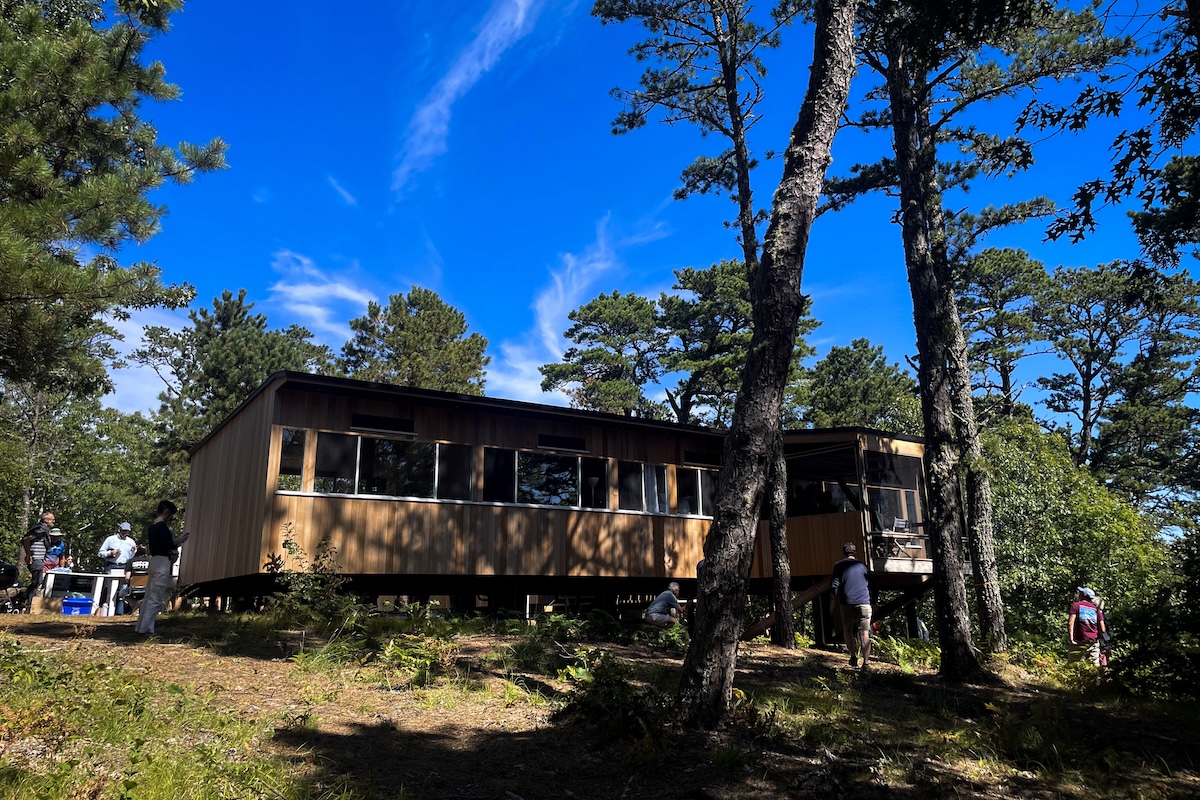
Modern Cape Cod homes blend classic New England architecture with contemporary features. They retain iconic elements like steep roofs, dormer windows, and cedar shingles but now include open layouts, energy-efficient materials, and smart technology. These homes prioritize natural light, coastal-inspired colors, and durable finishes to handle harsh weather while maintaining a timeless aesthetic.
Key highlights:
This design style offers a balance of heritage and functionality, making it a popular choice in 2025.
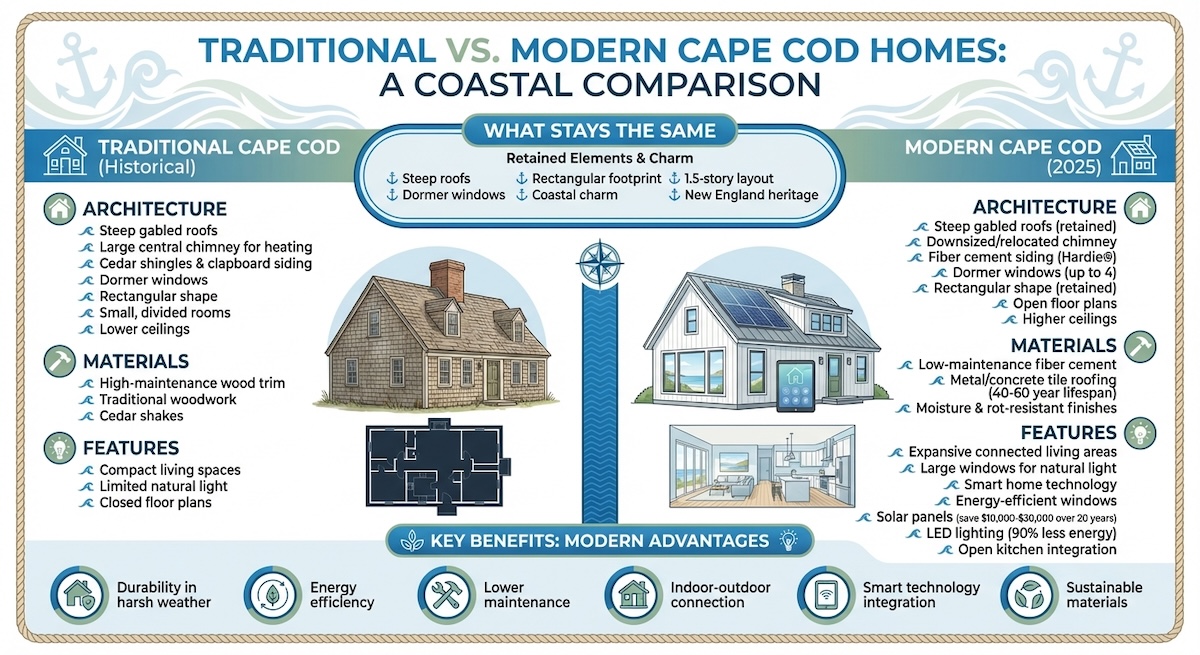
Modern Cape Cod homes still embrace their iconic rectangular shape and steep, side-gabled roofs, but they've been thoughtfully updated to meet today's needs. While the original designs relied on a large central chimney to heat the home during cold New England winters, newer designs often downsize or relocate the chimney, thanks to advances in heating technology. This change not only improves energy efficiency but also frees up interior space for more flexible layouts.
Dormer windows, which gained popularity in the early 20th century, remain a hallmark of Cape Cod architecture. These windows don't just add charm - they turn attic spaces into livable areas. By bringing in natural light and ventilation, dormers make upper-level bedrooms more functional while preserving the classic roofline. Adding up to four dormers can significantly enhance both space and style [5].
Modern materials have also replaced the high-maintenance woodwork of the past, making these homes more durable without losing their timeless appeal. Lynette Rogers, Owner of Homescapes of New England, LLC, highlights this shift:
In New England we have a lot of harsher weather, with temperature swings as well as wood damage, and we're replacing a lot of that. When we do a Hardie® project, it's a complete exterior, which includes Hardie® trim, soffit, fascia. It's pretty much an easy sell.
Fiber-cement products, like those from Hardie®, are better equipped to handle moisture, freezing temperatures, and humidity than traditional wood trim, which often struggled against salt air. These modern updates ensure that Cape Cod homes remain both beautiful and practical, setting a solid foundation for interiors designed to embrace light and open spaces.
Inside, modern Cape Cod homes prioritize natural light and open layouts, a stark contrast to the smaller, divided rooms and lower ceilings of their historical counterparts. By removing interior walls, homeowners create expansive, connected living areas that feel bright and welcoming.
Strategically placed windows not only frame picturesque views - whether of the ocean or rolling hills - but also flood the interiors with daylight. Pairing these larger windows with soft pastel color schemes enhances the sense of space, transforming what were once dim, compact rooms into airy, light-filled spaces that reflect Cape Cod's coastal charm.
Modern Cape Cod interiors bring together the timeless charm of traditional design with the practicality of contemporary living. These spaces are thoughtfully crafted to reflect the coastal environment while offering functionality for day-to-day life. By combining natural materials, soothing colors, and open layouts, these homes become inviting retreats that embody the spirit of seaside living. Let’s dive into the materials, colors, and layouts that define this style.
At the heart of Cape Cod interior design is a connection to nature, with materials that reflect the coastal surroundings. Wood, stone, and wicker play a central role, adding warmth and texture to every space. Solid wood furniture, often crafted from pine or oak, introduces a rustic touch to living areas, while wooden floors provide a classic foundation throughout the home [8][5]. Kitchens often feature white-washed beadboard or shiplap panels, adding to the serene and relaxed atmosphere [5].
Wicker furniture - whether it’s chairs, baskets, or even bookshelves - brings a casual, beach-inspired vibe to the home [9]. For countertops, homeowners can choose between the traditional charm of butcher’s block or the sleek elegance of white marble, depending on their style preferences [10]. Stone accents, particularly around fireplaces, add a bold yet rustic contrast that grounds living spaces beautifully [11][12].
The color palette of Cape Cod interiors draws heavily from the coastal landscape, creating a serene and airy feel. White is the dominant base color, brightening interiors and amplifying natural light streaming through large windows. Complementary tones like sage green, aquamarine, sea blue, blue-grey, and buttery beige add depth and evoke the tranquility of the seaside [2][9][5][10].
Blue accents, in particular, enhance the coastal ambiance, bringing a sense of calm to the interior [9][10]. For those looking to add a contemporary twist, touches of carbon black can introduce a modern edge without disrupting the soft, pastel aesthetic [10]. The key is to maintain a light and breezy feel that mirrors the natural light and gentle coastal breezes Cape Cod homes are known for.
While traditional Cape Cod homes often featured smaller, defined rooms, modern designs favor open-concept layouts that promote both relaxation and socializing [6][7]. This approach not only makes the most of available space but also strengthens the connection between different areas of the home, reflecting the seamless indoor-outdoor flow typical of Cape Cod architecture.
The classic 1.5-story layout remains a staple, with main living areas and a master suite located on the first floor, while additional bedrooms are tucked away upstairs. This arrangement offers privacy for children’s spaces while also providing a convenient aging-in-place option for homeowners [7]. Open kitchens, integrated shelving, and minimal furniture keep spaces uncluttered and functional, making them ideal for both everyday living and entertaining [10][5]. Thoughtful lighting further enhances the sense of openness, ensuring that spaces feel light and inviting rather than overly busy [9].
The exterior of a modern Cape Cod home strikes a delicate balance between timeless charm and practical durability. With salt air, moisture, freezing temperatures, and strong winds to contend with, the choice of materials and landscaping is crucial. These thoughtful selections not only protect the home but also enhance its light-filled, open interiors, creating a seamless blend of tradition and contemporary living.
Historically, cedar shingles and clapboard were the go-to materials for weathering New England’s tough climate[3]. While undeniably classic, they demand significant maintenance. Today, many homeowners opt for fiber cement siding, like James Hardie’s HardieShingle, HardiePlank lap siding, and HardiePanel paired with HardieTrim boards. These materials are designed to resist moisture, rot, and extreme temperatures, offering a practical yet stylish alternative[3][13].
Blending different siding profiles, such as lap and shingle styles, has become a popular way to add visual interest. Additionally, traditional shutters are often replaced with sleek trim and moldings for a cleaner, more modern appearance. Prefinished options with ColorPlus® Technology further simplify upkeep by reducing the need for frequent repainting.
When it comes to roofing, options like asphalt shingles, cedar shakes, slate tiles, metal roofs, and composite materials are chosen for their ability to withstand today’s demanding climate conditions[14]. These durable finishes not only protect the home but also contribute to a design that seamlessly ties into the surrounding landscape.
Modern Cape Cod homes place a strong emphasis on blending indoor and outdoor areas, creating living spaces that feel open and connected to the natural environment. Large windows, including expansive picture windows, flood interiors with natural light and provide stunning views, making the boundary between inside and outside almost invisible[3][13]. This design approach celebrates the coastal lifestyle, inviting ocean air and sea breezes into the home.
Outdoor living spaces are thoughtfully integrated into the overall design. Front porches, covered patios, decks, and balconies are common features, offering versatile areas for relaxation or entertaining. Some homes even include wrap-around porches, breezeways, or courtyards, creating distinct yet connected outdoor zones. These spaces are designed to feel like natural extensions of the home, perfectly suited for enjoying Cape Cod’s scenic beauty. Paired with open interior layouts that flow effortlessly into these outdoor areas, this design philosophy enhances both functionality and the coastal aesthetic[3][7]. It’s a modern take on classic Cape Cod living, where every detail serves to harmonize the home with its surroundings.
As we look ahead to 2025, Cape Cod design is evolving with a focus on sustainability, smart technology, and a deeper connection to nature. These modern updates bring eco-friendly materials, advanced home tech, and organic design elements into the spotlight. Here's how these trends are shaping the future of Cape Cod homes.
Building homes in coastal areas comes with unique challenges - salt air, high humidity, and strong winds demand durable materials that also prioritize environmental responsibility. One standout choice is fiber cement siding, which is not only long-lasting but also reduces the need for frequent replacements, making it a more sustainable option[20]. For roofing, materials like metal and concrete tiles offer impressive lifespans, with metal lasting over 50 years and concrete tiles enduring 40 to 60 years[20].
Inside, reclaimed wood is finding new life in modern fixtures, such as bathroom vanities, adding character and reducing waste[21]. For exteriors, naturally rot-resistant woods like cedar, paired with marine-grade or stainless steel fasteners, ensure durability in harsh conditions[20]. Energy efficiency is also a top priority, starting with high-performance impact-resistant windows, low U-value ratings, and rigid foam insulation for a tightly sealed building envelope[20].
Renewable energy solutions like solar panels are increasingly popular, offering homeowners long-term savings of $10,000 to $30,000 over 20 years while significantly cutting carbon emissions. Geothermal heat pumps are another smart investment, often paying for themselves within 5 to 10 years[21].
Sustainability gets a high-tech upgrade with smart home systems that make energy management effortless. Features like programmable thermostats, Wi-Fi-enabled lighting, and automated shades allow homeowners to fine-tune energy usage throughout the day[21]. Taking it a step further, AI-driven systems analyze household habits and adjust settings automatically for optimal efficiency[1].
Lighting technology is particularly transformative in coastal homes. Smart lighting systems can adjust both brightness and color temperature to complement natural light, enhancing the soft pastel tones that make rooms feel airy and inviting[5]. Sculptural smart fixtures combine functionality with artistic flair, doubling as statement pieces while maintaining the home's coastal charm[19]. These systems are designed to blend seamlessly into the home, eliminating visible wires and bulky controls for a clean, modern look[1].
Furniture trends in 2025 are all about embracing organic shapes and warm textures, moving away from the sharp, angular designs of the past. Curved silhouettes are taking center stage, with rounded sofas, lounge chairs, and custom banquettes inspired by Art Deco, mid-century design, and natural forms. For example, Fortner Custom Furniture & Upholstery has created stunning curved banquettes in rich green velvets and warm leather tones for upscale restaurants and boutique hotels, showcasing how this trend blends comfort with elegance[16][17].
Warm wood tones, especially oak, are making a strong comeback in furniture and interior accents. As Becky Walter, Design Manager at Sineath Construction, puts it:
Wood elements... will forever add warmth and organic richness
Pairing these wood tones with neutral palettes and modern architectural styles creates a timeless aesthetic that feels both contemporary and grounded[18]. Upholstery trends lean toward earth tones - think warm taupes, deep olive greens, terracottas, and midnight blues - complementing natural materials like wood, stone, and leather[16][1]. Mixing fabrics like velvet, boucle, and linen in these earthy hues adds depth and sophistication to any space[16].
The concept of "quiet luxury" is also gaining traction, with furniture emphasizing clean lines, exceptional craftsmanship, and a restrained color palette to ensure longevity and broad appeal[17][1]. Multi-functional and modular furniture solutions are perfect for adapting spaces to different needs while maintaining a minimalist, clutter-free vibe that defines modern coastal living[15][18]. For those on a budget, reupholstering existing furniture offers a stylish, sustainable alternative to buying new pieces[16].
The right lighting can turn a Cape Cod home into a warm and welcoming retreat. Modern Cape Cod design seamlessly blends coastal charm with eco-conscious choices, and your lighting should reflect that. To get it right, plan your lighting layout early - ideally before electrical work begins. Think beyond aesthetics and focus on how each room is used throughout the day to ensure your lighting is both functional and beautiful.
A layered lighting plan - combining ambient, task, and accent lighting - can adapt to the needs of any room. Interior designer Louise Misell highlights the importance of thoughtful planning:
"Take the time to sit in the space and think about how you use the room. How would you like it to feel at different times of the day? Take an open-plan kitchen diner for example, you'll need task lighting to prepare meals. Then when you are eating, you might prefer dimmed or softer lighting to set a relaxing mood. Thinking about the different functions each room has will help you plan your lighting needs for that room so that you can layer your lighting to create the appropriate mood." [22]
Start by creating a detailed floor plan that includes furniture and fixed elements. This helps you visualize how light will flow through the space and identify areas prone to shadows. For rooms with 8-ft ceilings, space recessed lights about 4 ft apart and keep them at least 3 ft from walls. Adding dimmer switches gives you flexibility to adjust the lighting for different moods and times of day.
When choosing fixtures, focus on natural materials and coastal-inspired colors. Think coastal blues, oceanic greens, and finishes like metal or enamel. Nautical-themed sconces, reminiscent of ship portholes, pair beautifully with light-colored woods like white oak and warm white paints with creamy undertones. These choices not only enhance the Cape Cod aesthetic but also maximize light reflection.
To complement your layered lighting plan, opt for energy-efficient fixtures that are built to last. LED bulbs are a smart choice - they use up to 90% less energy than traditional incandescent bulbs and last significantly longer [23]. For added convenience, smart lighting systems can automatically adjust brightness and color temperature, while motion sensors help conserve energy in busy areas.
Durability is key for coastal homes, where fixtures must withstand salt air and humidity. Look for Marine Grade and Energy Star–certified fixtures to ensure longevity and lower energy costs. Pay attention to UL ratings: "damp location" fixtures are suitable for covered porches, while "wet location" fixtures are essential for exposed outdoor areas like pathways and walls. Solar-powered options are another great choice, eliminating electricity costs altogether.
For outdoor spaces, consider wall sconces at entryways, pendant lights for covered porches, and post lights along driveways. These fixtures not only provide practical illumination but also create a welcoming atmosphere that complements your home's coastal charm.
Bringing the modern coastal design outdoors, landscaping becomes an extension of the living space, seamlessly connecting nature to the home. However, Cape Cod's coastal environment comes with its own set of challenges. Salt spray, strong winds, and sandy soil demand thoughtful planning. But with the right plants and design strategies, you can create a stunning, low-maintenance landscape that thrives throughout the year.
When it comes to Cape Cod landscaping, native plants are your best bet. These plants have evolved to endure the tough coastal conditions - handling wind, salt spray, and sandy soils with ease. Plus, they help stabilize the ground and prevent erosion [24][25].
For coastal banks, American beachgrass (Ammophila breviligulata) is indispensable. Its fast-growing roots secure the soil and trap windblown sand. Complement it with plants like little bluestem, bearberry, creeping juniper, bayberry, and beach plum to add variety and year-round appeal. Trees such as black cherry, pitch pine, and Eastern red cedar thrive when planted on lower slopes or away from steep areas [25].
On windward dunes, consider American beachgrass, dusty miller, beachpea, and seaside goldenrod. For secondary dunes, beach heather, lowbush blueberry, Japanese black pine, and saltmeadow cordgrass work well, especially in wetter spots [25]. To minimize upkeep and enhance erosion control, limit lawn areas. Instead, create buffer zones with native trees, shrubs, and deep-rooted grasses between your maintained spaces and the shoreline [25][29].
To prepare the soil, mix in organic materials like compost or peat moss to improve water retention. Mulch can also help suppress weeds and retain moisture. While new plantings need about 1 inch of water per week during the growing season (April to October), native plants become largely self-sufficient once established [25].
These thoughtful choices not only enhance the landscape's beauty but also ensure it functions effectively in the coastal environment.
Designing for both breathtaking water views and a sense of privacy requires careful planning. A great example is a three-quarter-acre garden overlooking Cape Cod Bay. This garden features native grasses, beach plum, bayberry, wild roses, and red cedar. A field of beach grass between the guest cottage and the main house preserves the view of the bay, while a large privet hedge and garden gate provide privacy [26].
Windbreak plantings are another smart solution. They shield your property from wind and salt spray while also adding structure and privacy. Dense hedges or hardy, salt-tolerant trees like Eastern red cedars, Eastern white pines, American hollies, and wax myrtles are excellent choices for ocean-facing areas. For a tiered effect, layer taller evergreens behind salt-tolerant shrubs like rugosa roses or viburnum. This approach not only slows the wind but also protects more delicate plants [26].
To maximize water views, incorporate expansive decks, patios, and balconies. Large sliding glass doors and windows create a seamless indoor-outdoor flow, filling your home with natural light while framing the stunning coastal scenery. As REEF Builders explains:
Landscaping plays a critical role in this seamless transition. Native plants and grasses can enhance the natural beauty of your property while providing privacy and wind protection.
For exposed decks, use containers with succulents and other drought-tolerant plants that can handle wind and heat. Placing high-backed outdoor furniture strategically can also offer subtle privacy in seating areas [27][28].
Modern Cape Cod design masterfully bridges the gap between tradition and contemporary living. By reimagining iconic features like steeply pitched roofs, symmetrical layouts, and central chimneys with modern conveniences, you can craft a home that respects its 17th-century origins while adapting to today’s lifestyle needs [30][32]. This balance of old-world charm and present-day practicality is at the heart of everything discussed in this guide.
John Clark from DRS Cape Cod Remodeling sums it up perfectly:
Modernizing a Cape Cod house means mixing old and new styles. You keep the charming style with a modern touch [30].
Whether it’s through open floor plans, expansive windows that welcome in natural light, or integrating smart home technologies, these updates ensure your home remains timeless yet functional. A 2019 study highlighted that Cape Cod style continues to be one of the most favored architectural choices among North American homeowners, showcasing its lasting appeal [5].
What makes Cape Cod homes so enduring is their flexibility. You can expand with dormers or add wings, refresh interiors with natural materials and coastal color schemes, or enhance outdoor spaces with native plantings and thoughtful landscaping - all while maintaining the cozy, inviting essence of Cape Cod living [4][31][5]. Whether you’re renovating an existing home or building a new one, these principles guide you in creating a space that feels deeply rooted in New England heritage while embracing the comforts of modern life. The result? A home that captures the spirit of seaside living while offering the perfect blend of tradition and modernity.
Cape Cod homes are instantly recognizable for their quaint and practical design, showcasing steep gabled roofs, a central chimney, symmetrical fronts, and shingle or white clapboard siding. Inside, these homes often feature snug rooms, narrow staircases, and understated exterior details, all of which highlight their historic New England roots.
Today’s Cape Cod homes honor this classic look while embracing modern touches. Think larger windows that let in more light, open floor plans for a breezier feel, and additions like porches, sunrooms, or attached garages. While the materials may be updated, the interiors are designed to feel brighter and more spacious, blending the charm of tradition with the needs of modern living.
In short, traditional Cape Cod homes focus on simplicity and balance, while their modern counterparts adapt to contemporary lifestyles with added comfort and functionality.
Blending modern technology with the timeless appeal of a Cape Cod home is simpler than it sounds. Start with a smart thermostat to manage your home’s temperature remotely. This keeps the interior comfortable while preserving the home’s classic exterior. Combine it with smart lighting - like dimmable LED bulbs or motion-sensor lights - to highlight traditional details without introducing visual clutter.
For security and convenience, add a video doorbell and subtle exterior cameras that blend seamlessly with the home’s design. Inside, a smart speaker or hub can take care of lighting, climate control, and even window shades, making your home both practical and stylish. These tech updates modernize your living space while maintaining the cozy, inviting atmosphere Cape Cod homes are cherished for.
At A Little Inn on Pleasant Bay, technology is thoughtfully woven into the guest experience. Features like customizable room settings provide comfort and ease, all while preserving the inn’s signature New England charm.
For a durable and weather-resistant exterior on a modern Cape Cod home, fiber-cement siding and cedar-shake siding are top contenders. Fiber-cement siding is known for its toughness and minimal upkeep, making it a practical choice. On the other hand, cedar-shake siding delivers a timeless aesthetic with its natural charm and ability to hold up against the elements.
For roofing, materials such as metal, asphalt shingles, and slate tile are well-suited to handle New England’s unpredictable weather. These options not only offer long-lasting performance but also provide reliable protection against harsh storms - all while keeping your home looking stylish throughout the year.
If you're looking for a peaceful and personal Cape Cod experience, now's the time to book your stay at A Little Inn on Pleasant Bay. With its quiet setting, friendly hosts, and small seasonal touches that make a big difference, it’s a great place to relax and enjoy the best bed and breakfast in Cape Cod. Whether you’re planning a weekend getaway or a longer break, don’t wait too long—anytime is the best time to visit, and rooms fill up fast.


